
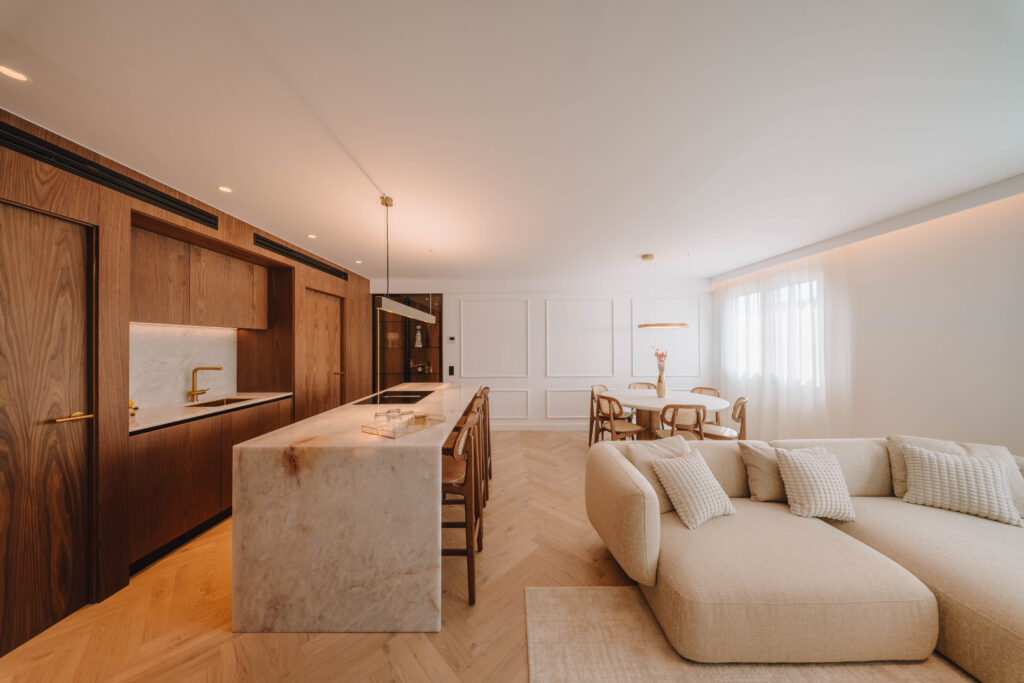
How to Build Your Luxury Villa Without Managing the Construction, with One Team, a Fixed Price and a Single Point of Contact
Building a home in Mallorca can either be one of the best projects of your life or a succession of unexpected problems: licences that take longer than expected, budgets that keep increasing and three different companies blaming each other when something goes wrong. A turnkey project eliminates much of that risk. One company finds the plot, designs the property, manages the permits, builds the house and hands over the keys to a home that is ready to move into.
This guide explains what a turnkey project in Mallorca really means, how the process works step by step, how much it costs and how long it takes in 2026, what the island’s regulations involve and why the team responsible for construction matters just as much as the design. It is written from the perspective of a group that covers the entire process, from investment advice through to in-house construction.
What Is a Turnkey Project in Mallorca?
A turnkey project in Mallorca is a comprehensive service in which a single company takes responsibility for everything: finding the plot, designing the property, managing licences, carrying out construction and delivering the finished home ready to move into. You agree on a scope, timeframe and price, and deal with one single point of contact from beginning to end.
The term is often used interchangeably with “move-in ready”. In the Spanish property market, both describe a fully completed home with no outstanding work, ready for occupation. The difference lies in the nuance. “Move-in ready” describes the condition of a finished property you purchase. “Turnkey” describes the service that creates and delivers the property in that condition.
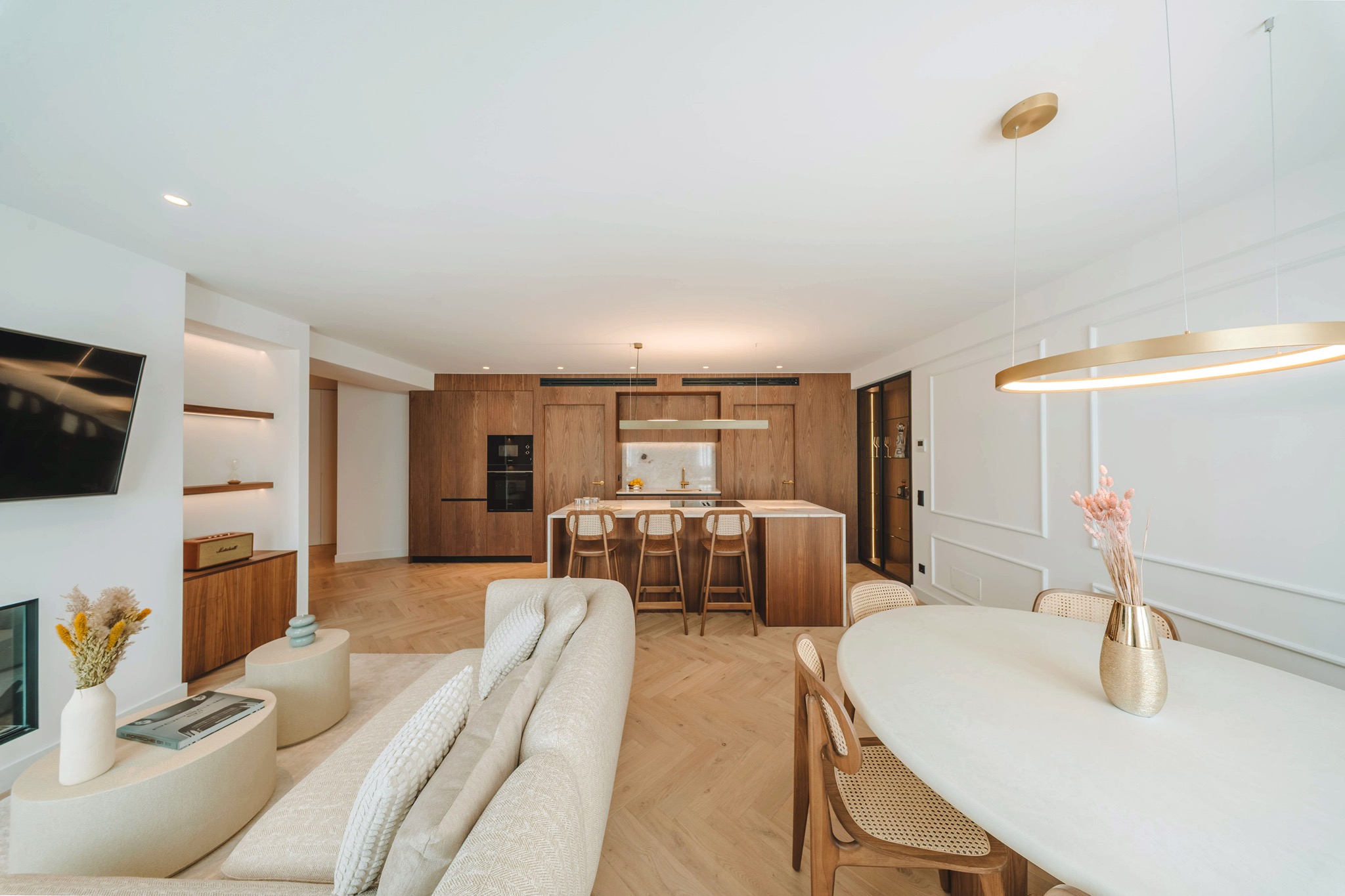
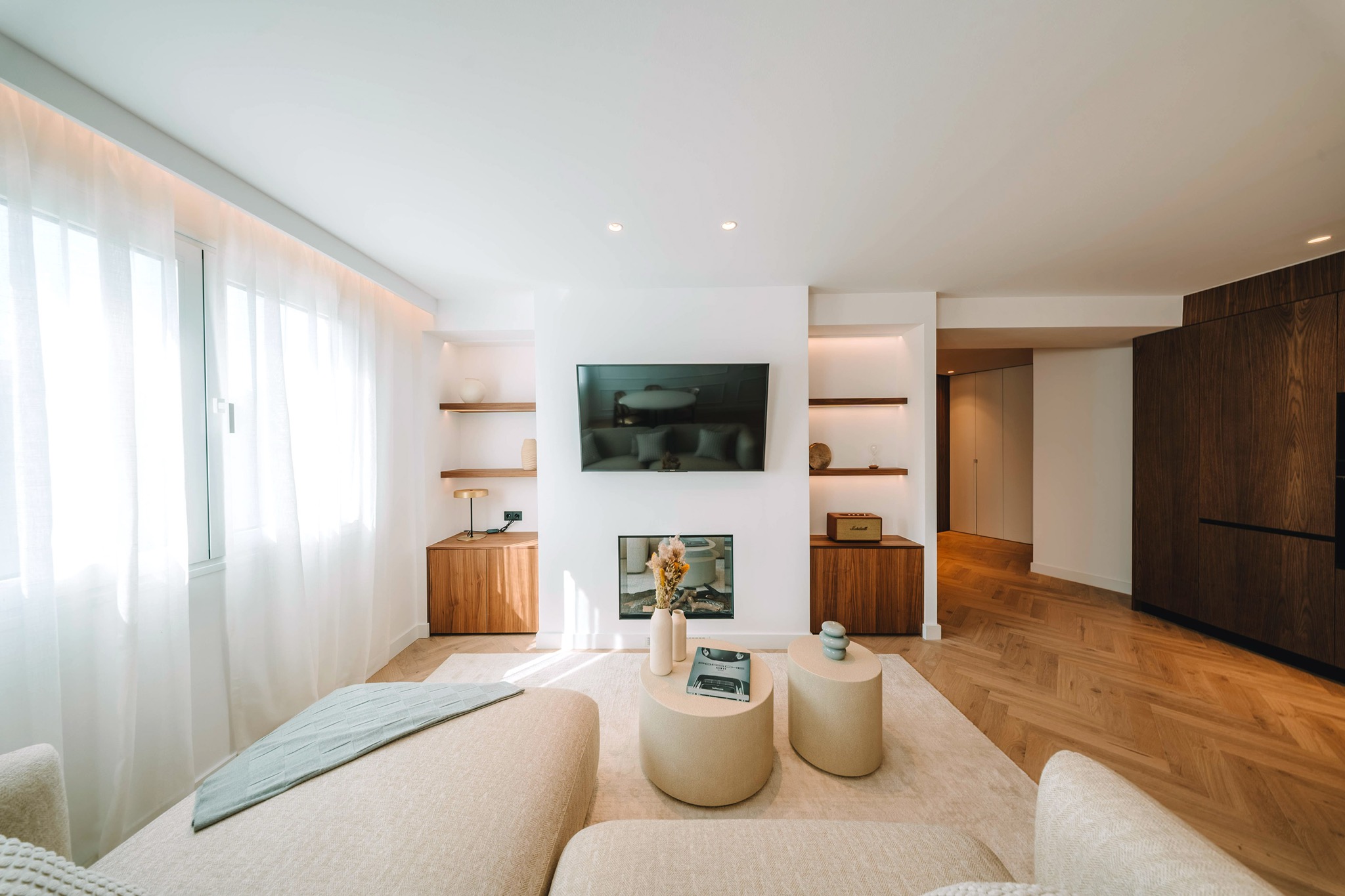
It is useful not to confuse it with three similar models:
- Buying a completed new-build property. You purchase a villa that has already been built by a developer. Fast, but with little room for personalisation: what you see is what you get.
- Build-to-suit. The team builds a property to your specifications on a plot. You choose the materials, layout and details. More control, but also greater involvement on your part.
- Hiring different contractors separately. You coordinate the architect, builder, interior designer and site management yourself. Maximum theoretical control, but also maximum real risk of poor coordination and cost overruns.
Turnkey sits in the most convenient position: a home conceived and delivered as a complete product, with one responsible party and an agreed price. If you want to manage every technical decision yourself, build-to-suit may be a better option. If you want to open the door and start living, turnkey is the more straightforward route.
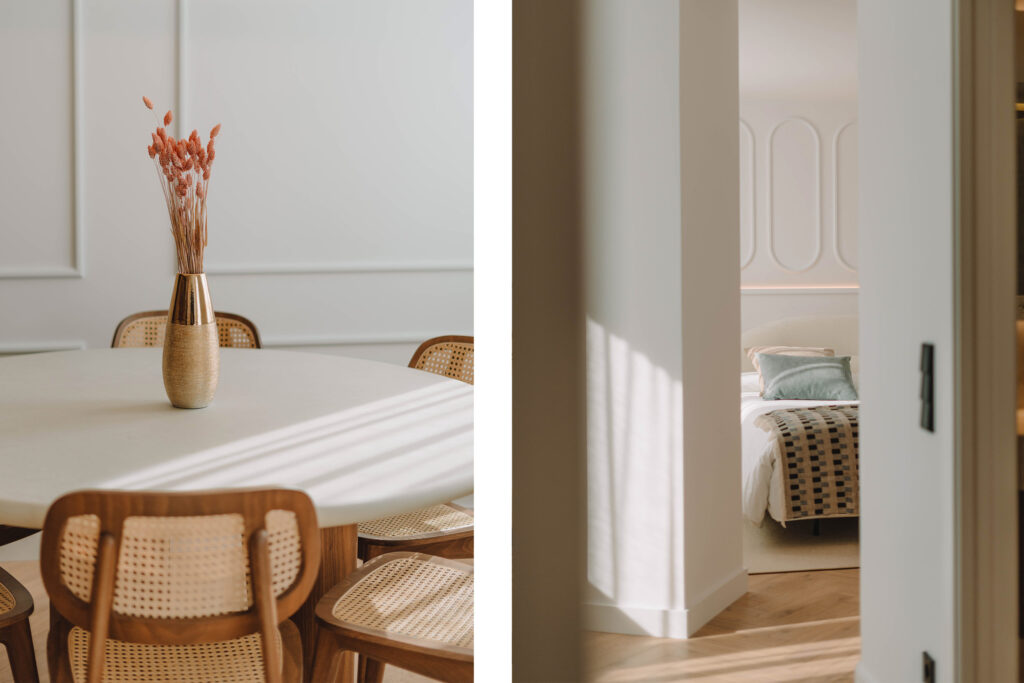
How a Turnkey Project Works, Step by Step
A turnkey project in Mallorca generally follows six phases. The company manages them sequentially, overlapping stages where possible to save time, while you approve the key milestones along the way.
- Analysis and definition. The type of home you want, its intended use (permanent residence, second home or investment), your budget and your timeframe are established. This defines the scope that will guide everything that follows.
- Plot search. The right land is identified, both on and off market, checking before purchase what really matters: planning parameters, actual buildability, services and orientation. A cheap plot with poor buildability can quickly become an expensive one.
- Concept and architectural project. The architectural team develops the initial concept, refines it with you and prepares the basic and execution projects, the technical documentation required to apply for the licence and carry out the construction.
- Licences and permits. The building licence is processed with the corresponding local council, together with the approved architectural project and any additional authorisations required by the location. Construction cannot legally begin until the licence has been granted.
- Construction. The project is built with professional site supervision, cost and quality control and regular progress reporting. This is where an integrated team makes a significant difference compared with a chain of independent subcontractors.
- Interior design and handover. Finishes, furniture and installations are completed, final details are checked and the property is handed over ready to use. You decide when to arrive. Everything else is taken care of.
The most common mistake we see is beginning the project before phase one has been properly defined. An ambiguous scope is at the root of many cost overruns: every change made during construction affects both budget and schedule. Defining the project before construction begins is what keeps the budget under control.
How Much Does It Cost and How Long Does It Take in 2026?
As a general indication, building a luxury turnkey villa in Mallorca can cost around €5,000 per square metre of construction for a high-end specification. A 200 m² villa would therefore represent approximately €1 million in construction costs alone, excluding the plot and taxes. The final cost depends mainly on the location of the land and the level of finishes.
Construction itself is only one part of the overall budget. A realistic estimate should include:
| Item | Indicative 2026 Reference |
|---|---|
| Buildable plot | Highly variable depending on location, from inland areas to prime southwest seafront locations |
| Construction | Approx. €3,000 to €6,000 per m², depending on the level of luxury finishes |
| Architectural project and technical supervision | Approx. 8 to 12% of construction cost |
| Licences and construction taxes | Variable depending on municipality and type of project |
| Interior design and furniture | Bespoke package depending on scope |
| VAT on residential construction | 10% on construction |
In terms of timing, a detached house generally requires between 12 and 18 months of construction depending on size and complexity. Including the search for the plot, design and licences, a complete bespoke project usually takes around 18 to 24 months from the initial idea to handover.
| Phase | Indicative Duration |
|---|---|
| Plot search and purchase | 1 to 4 months |
| Concept, basic and execution project | 2 to 4 months |
| Major building licence, which may overlap with other phases | 3 to 9 months |
| Construction | 12 to 18 months |
| Interior design and final handover | 1 to 2 months |
The advantage of a turnkey model compared with coordinating separate contractors is not only convenience, but greater certainty over cost, responsibility and timing. With an agreed fixed-price contract and contractual provisions regarding delays, much of the risk associated with the schedule and budget is transferred to the company responsible for delivering the project.
Licences, Regulations and Taxation in Mallorca
Building in Mallorca requires understanding the administrative landscape as well as the physical one. A major construction project, such as a new home, requires a Basic and Execution Project approved and registered with the COAIB, the Official College of Architects of the Balearic Islands, and construction can only begin once the local council has granted the corresponding licence.
The issues that most commonly affect budgets and schedules on the island include:
- Major works versus minor works. A new property is classified as major works and requires a complete architectural project and municipal licence. Minor works, which do not affect the structure, may follow a faster administrative procedure and in some cases can be processed through a responsible declaration.
- Urban planning collaborating entities (ECUs). In participating municipalities, an ECU may review documentation and help streamline the licence process, potentially reducing waiting times compared with the traditional route.
- Seafront and coastal locations. If a plot lies within a coastal influence area, additional authorisation from the Coastal Authority may be required, increasing the administrative timeframe.
- Historic centres. In protected areas such as Palma’s old town, heritage authorities may also be involved in the approval process, potentially extending the schedule by several months.
- Rural land. Many country properties are located on rural land, where development rights are tightly restricted. Minimum plot sizes, maximum occupation and other strict parameters need to be verified before the land is purchased.
For foreign buyers, the procedure is manageable. You will generally need a NIE, the Spanish Foreigner Identification Number, a Spanish bank account and the standard documentation required for the transaction. Foreign nationals can purchase land and build property in Spain.
From a tax perspective, the main considerations include 10% VAT on new residential construction, AJD (Stamp Duty) where applicable and ITP (Property Transfer Tax) if the plot is purchased from a private individual. Notary, Land Registry and administrative costs may also apply.
Why the Company That Builds the Property Matters
In a turnkey project, the design may be what first attracts you, but the execution determines whether the property is delivered on time, within budget and to the expected standard. The operating model therefore matters just as much as design talent.
The key question is not simply, “Do I like the project?” but “Who takes responsibility when something goes wrong?”
In a fragmented model, the architect, construction company and site manager may all belong to different firms. When a cost overrun or delay appears, responsibility can become unclear. The client, often based abroad, can end up having to mediate between different parties.
The LF91 Group works differently. Within the same structure are investment advisory services through LF91 Investment, project management through LF91 Project Management, property services through LF91 Services and in-house construction through Epic Construction.
The construction is not handed over to an unknown general contractor. It is managed within the group, creating a single line of responsibility for schedule, cost and quality.
This is supported by more than 20 years of experience creating distinctive properties with high-end finishes and international design standards, from a base in Pollença and with knowledge of the island as a whole. In construction, experience is not simply an additional credential. It is what allows expensive problems to be identified before they occur.
Where to Build in Mallorca
Luxury turnkey projects are concentrated in several areas of the island, each with its own character. Understanding them helps buyers choose a plot based on sound criteria rather than simply on appearance.
- Southwest. Mallorca’s prime residential corridor, including Son Vida, Bendinat, Portals Nous and Puerto Portals, Costa d’en Blanes, Sol de Mallorca, Santa Ponsa, Camp de Mar and Port Andratx. Sea views, golf courses and strong demand define the area.
- North. Pollença, Puerto Pollença and Formentor combine landscape, tranquillity and exclusivity with a more discreet property market.
- Palma and surrounding areas. From residential villas on the outskirts to renovations within the historic centre, with the city only minutes away.
- Inland and south. Santanyí, Ses Salines and Mallorca’s country estates appeal to buyers seeking nature, privacy and larger plots.
The plot determines the project. The same villa can have a very different budget, timeframe and approval process depending on where it is built. This is why the search for the right plot and the verification of its planning conditions are just as important as the architectural design itself.
Checklist: What to Verify Before Signing a Turnkey Contract
Before committing to a turnkey project in Mallorca, verify the following points. A professional provider should be able to put them in writing clearly:
- A fixed contract price, clearly stating what is and is not included.
- Provisions regarding delays and a milestone-based schedule rather than a vague completion date.
- A written specification detailing brands, materials and finishes.
- Clear responsibility for potential cost overruns and the circumstances in which they may arise.
- Defined site supervision and a clear explanation of how construction quality will be controlled.
- The required building licence before construction begins.
- Building guarantees and the applicable ten-year structural insurance.
- Assistance with NIE, taxes and administrative procedures for foreign buyers.
- Confirmation of whether furniture and interior design are included or charged separately.
- The language and communication channel that will be used throughout the project.
Frequently Asked Questions
What Is the Difference Between Turnkey and “Move-In Ready”?
In practice, both refer to a fully completed property that is ready for occupation. The distinction is that “move-in ready” describes the condition of a finished property you purchase, while “turnkey” describes the service that designs, builds and delivers the completed home under the responsibility of a single team.
How Much Does It Cost to Build a Turnkey Villa in Mallorca?
As a general indication, construction costs for a luxury villa range from approximately €3,000 to €6,000 per m² depending on the level of finishes, with high-end projects often around €5,000 per m². To this must be added the cost of the plot, architectural project and technical supervision, interior design and the corresponding taxes.
The overall investment depends primarily on where the property is built and the level of quality specified.
How Long Does It Take to Build a Turnkey Villa?
A detached property generally requires between 12 and 18 months of construction depending on its size and complexity. Including the search for the plot, architectural design and licensing process, a complete bespoke project typically takes between 18 and 24 months from the initial idea to handover.
Can a Foreigner Buy a Plot and Build in Mallorca?
Yes. Foreign nationals can purchase land and build property in Spain. You will generally need a NIE, a Spanish bank account and the standard documentation required for the purchase.
An experienced turnkey provider can coordinate these procedures as part of the wider process.
Does the Fixed Price Include Furniture and Interior Design?
It depends on the agreed scope. In a comprehensive turnkey project, interior design and furniture may be included so that the property is delivered fully furnished. In other cases, these services are quoted separately.
This is one of the first elements that should be clearly defined in writing within the contract.
What Happens if the Licence Is Delayed or Costs Increase?
This depends on the contractual structure and the cause of the delay or additional cost. A clearly defined fixed-price contract, together with appropriate provisions regarding delays and variations, provides greater certainty for the client.
An integrated model, where one organisation oversees both the project and construction, also makes responsibilities significantly clearer than when several independent companies are involved.
Can You Build on Rural Land or on the Seafront?
Construction on rural land may be possible, but it is subject to strict planning and development limitations that must be checked before purchasing the plot.
In coastal areas, additional authorisations may also be required depending on the precise location of the land and the applicable coastal regulations.
Is Build-to-Suit or Turnkey Better?
It depends on how involved you want to be.
Build-to-suit gives you greater involvement in individual technical decisions, including materials, layout and details. Turnkey is designed to deliver a complete property while requiring less day-to-day management from the client.
If your priorities are time, simplicity and peace of mind, turnkey is generally the more suitable model.
Your Home in Mallorca, Ready from Day One
A well-managed turnkey project is not simply about building a house. It is about entrusting a single team with the coordination and responsibility of delivering a property on an island, potentially in another language and while you are living abroad.
The fundamental question is who takes responsibility and who actually executes the work.
If you are considering building your villa in Mallorca and want to understand what is realistically possible on your plot, what budget will be required and what timeframe you should expect, tell us about your project.
The LF91 team will provide a realistic assessment before the first stone is laid.